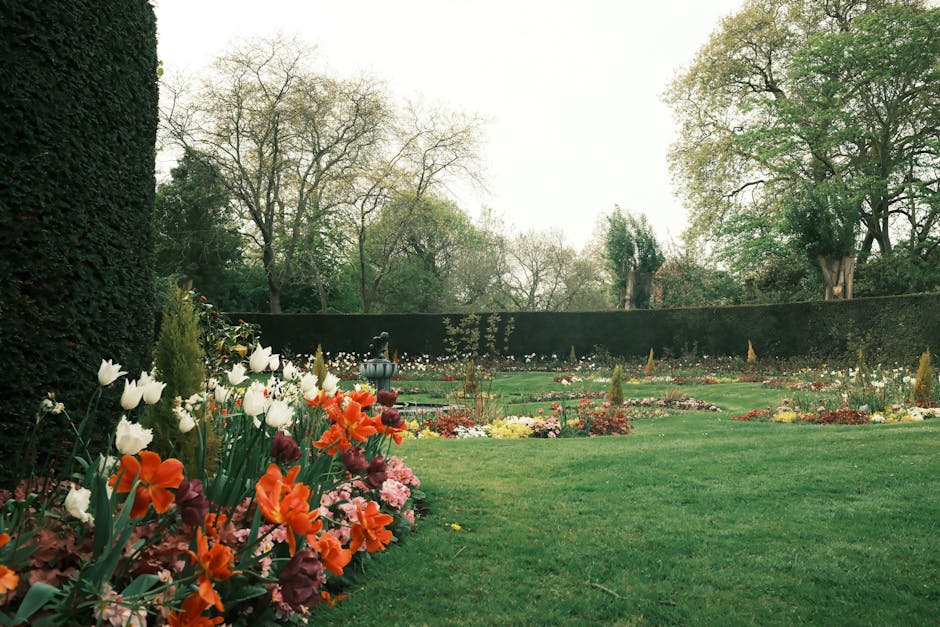
Regents Park gardener services for large front gardens
If you manage a large front garden in Regent's Park, you already know it is not the kind of space that stays tidy by itself. One windy week, a hedge starts leaning, the lawn gets patchy, and suddenly the whole frontage looks like it has been left to fend for itself. The right Regents Park gardener services for large front gardens can make that space feel composed again, without turning it into a rigid, overworked display.
This guide explains what those services usually include, how they work in practice, and what to look for if you want reliable upkeep for a larger frontage. We will also cover common mistakes, useful checks, and the sort of decisions that make life easier in the long run. Truth be told, big front gardens are lovely, but they can be a lot.
For homeowners, residents' associations, and property managers, the aim is usually the same: keep the frontage neat, healthy, and welcoming, while avoiding the kind of drift that makes maintenance more expensive later on.
Table of Contents
- Why this matters for large front gardens in Regent's Park
- How the service usually works
- Key benefits and practical advantages
- Who this is for and when it makes sense
- Step-by-step guidance
- Expert tips for better results
- Common mistakes to avoid
- Tools, resources and recommendations
- Law, compliance, standards, and best practice
- Options, methods, and comparison table
- Case study or real-world example
- Practical checklist
- Conclusion
- Frequently asked questions
Why Regents Park gardener services for large front gardens Matters
A large front garden is the first thing people see. That sounds obvious, but it changes how the whole property feels. In Regent's Park especially, front gardens often have a formal or semi-formal look, with mature planting, boundary hedging, specimen shrubs, sweeping lawns, and sometimes hard landscaping that needs a careful hand.
When a front garden is big, maintenance is not just about mowing and clipping. It is about balance. If one area is over-pruned and another is left to run wild, the whole frontage feels uneven. If the lawn is cut too short in summer, it can scorch. If hedges are trimmed at the wrong time or too aggressively, they can look thin for months. That sort of thing is easy to miss until it becomes obvious from the pavement.
There is also the practical side. Front gardens attract foot traffic, deliveries, dust, leaves, and seasonal debris. In a busy part of London, the garden may be exposed to more pollution and compacted soil than a tucked-away rear garden. A gardener who understands those conditions can keep the space looking presentable without treating it like a simple suburban lawn.
In our experience, the best results come from regular, measured attention rather than occasional rescue work. A garden that is looked after consistently usually costs less to keep in shape than one that gets allowed to slip and then needs a full tidy-up. That is just the way it goes.
How Regents Park gardener services for large front gardens Works
Most professional garden care for a large front garden starts with an assessment. Not a glossy sales pitch, just a proper look at the space. The gardener checks the lawn condition, hedge height, plant health, drainage issues, access, waste volume, and any features that need careful handling, such as paving, edging, steps, or decorative beds.
From there, the service is usually built around a maintenance plan. For some properties, that means weekly or fortnightly visits during the growing season. For others, it may mean a monthly structure with heavier seasonal work in spring and autumn. The right rhythm depends on how formal the garden is, how much planting it has, and how visible the frontage is from the road.
A typical large-front-garden visit may include:
- Lawn mowing and edging
- Hedge trimming and shaping
- Weeding and border tidy-up
- Deadheading and plant pruning
- Leaf clearance and green waste removal
- Basic pest or disease observation
- Light sweeping of paths and hard surfaces
Some jobs are more specialist. If the garden has been overgrown for a while, a team may need to start with a garden clearance service before moving into routine maintenance. If there are larger design changes needed, the conversation may move towards landscape gardening or broader landscaping work.
One thing worth saying: good gardeners do not just "cut everything back". They look at how the space grows through the year. That is where the value is, to be fair.
Key Benefits and Practical Advantages
The obvious benefit is appearance. A large front garden that is clipped, clean, and well proportioned instantly improves the look of the property. But the real benefits go further than curb appeal, as people still call it, though the British version is usually a bit more understated.
1. Better first impressions
A neat frontage creates a sense of care. That matters whether you are welcoming guests, tenants, clients, or simply want the place to feel orderly when you arrive home.
2. Healthier planting
Regular attention helps catch problems early. Yellowing leaves, dead wood, compacted soil, or pest damage are easier to deal with when someone is checking the garden on a schedule rather than once in a blue moon.
3. Less expensive recovery work
Big front gardens can go from "a bit untidy" to "serious job" surprisingly quickly. Routine care often avoids the heavy labour of cutting back thick growth, re-edging everything, and reworking damaged planting.
4. Safer access and cleaner boundaries
Overgrown branches, slippery leaves, and broken edging are not just unsightly. They can also create trip points or obstruct paths, gates, and driveways.
5. Better seasonal rhythm
Large front gardens change with the seasons, and a good gardener knows how to work with that. Spring growth, summer mowing, autumn leaf fall, winter pruning - all of it needs its own pace.
If your frontage includes features such as a seating area, timber structure, or raised planting, it may also be worth looking at decking services as part of a wider improvement plan. It keeps the whole entrance area more coherent.
Expert summary: The best large-front-garden care is steady, proportionate, and seasonal. Not flashy. Not rushed. Just consistent enough that the garden always looks looked after, even in the messy middle of the year.
Who This Is For and When It Makes Sense
These services are not only for people with immaculate townhouses and immaculate intentions. They are useful for anyone who wants a front garden that stays under control without becoming a weekend burden.
You may need this kind of service if:
- Your front garden is large enough that basic DIY upkeep feels never-ending
- You have mature hedges, shrubs, or trees that need shaping rather than casual trimming
- The frontage is highly visible and needs to stay presentable year-round
- You manage a rental property or shared building entrance
- You are finding the lawn, borders, or access paths harder to maintain than before
- You have been doing the work yourself, but it is starting to slip behind
It also makes sense when the garden is changing with the property. Maybe a front space was once low-maintenance and now has become densely planted. Or perhaps the previous owner left the place in a decent state, and it has slowly become more demanding than expected. Happens all the time.
For larger estates or more complex grounds, a mixed approach can work well. Regular garden maintenance keeps the routine tasks under control, while occasional specialist visits handle hedges, tree work, or larger tidy-ups. If branches are becoming awkward or unsafe, tree lopping and removal may need to be discussed carefully and professionally.
Step-by-Step Guidance
If you are arranging care for a large front garden in Regent's Park, a sensible process makes everything easier. You do not need to overcomplicate it, but a little structure helps.
- Walk the garden with a clear eye. Look at the lawn, borders, hedges, entrances, drains, and any problem spots. Ask yourself what actually bothers you: clutter, uneven growth, weak planting, or too much time spent maintaining it.
- Separate routine tasks from one-off work. Some jobs are recurring, like mowing and hedge trimming. Others are periodic, like a bigger seasonal cut-back or a garden clearance.
- Decide what "good" looks like. For one property, it may mean crisp lines and clean edges. For another, it might mean a softer, more natural look with tidy control rather than a formal finish.
- Check access and logistics. Large front gardens sometimes have gates, narrow paths, steps, parked vehicles, or shared access. These details matter more than people expect.
- Agree the frequency. Weekly, fortnightly, monthly, or seasonal? The answer depends on growth speed, visibility, and budget.
- Confirm waste handling. Green waste can mount up fast. Make sure the plan includes removal, recycling, or another agreed method of disposal.
- Review after the first few visits. A good schedule is not set in stone. It can be adjusted once you see how quickly the garden grows back and how the frontage behaves across weather changes.
A small but useful tip: ask for the service to be described in plain language, not just "regular maintenance". That phrase can mean very different things from one provider to another.
Expert Tips for Better Results
There are a few simple habits that make large-front-garden care work much better. They are not fancy. They are the kind of thing people usually learn after a couple of seasons, once the garden has already made its point.
Keep the edges sharp. Edge definition does more visual work than many people realise. A well-cut border can make the whole frontage look cleaner, even if the planting is fairly relaxed.
Do not overcut the lawn. Especially in hot or dry weather, taking too much off at once can stress the grass. Moderate cuts, more often, are usually kinder.
Trim hedges before they become bulky. Light, regular hedge trimming tends to create neater lines than waiting for a dramatic reshaping job. If the hedge is already dense, a staged approach is often better than a hard cut.
Think in layers. On a large front garden, the lawn, shrubs, canopy, and boundary planting all interact visually. If one layer is neglected, the rest can look less tidy, even when they are in good shape.
Plan around the season. Spring may need more frequent visits. Autumn often needs more clearance. Winter can be quieter, but not empty. The garden still wants attention, just not the same kind.
Watch the front path. It sounds minor, but moss, leaf build-up, and loose debris change the whole feel of the entrance. You notice it the second you step up to the door.
If you want a quote, it helps to be ready with measurements, photos, and a short note about your priorities. That makes the conversation much quicker. And yes, it saves that awkward "well, it depends..." back-and-forth.
Common Mistakes to Avoid
Large front gardens are forgiving in some ways and unforgiving in others. They can hide small mistakes for a while, but once they slip, the decline is obvious. A few common errors show up again and again.
- Only booking work when the garden looks bad. Reactive maintenance is more expensive and less predictable.
- Assuming all gardeners handle large gardens the same way. They do not. Scale changes the job.
- Ignoring hedge and tree growth until it blocks light or views. By then, the cut may be more disruptive.
- Cutting lawns too hard in one go. It can leave the grass thin and patchy.
- Forgetting about waste volume. Big front gardens generate a lot of green waste. A lot.
- Choosing the cheapest quote without checking what is included. This is where people get caught out. A low number can hide a very limited scope.
- Neglecting safety and access. Heavy branches, steep slopes, awkward entrances, and parked vehicles all need planning.
Another mistake, and this one is very human, is assuming you will "get to it next weekend". Two next weekends later, the job is somehow twice the size. Gardens have a habit of doing that. Slightly rude of them, really.
Tools, Resources and Recommendations
You do not need to be a gardener yourself to make sensible decisions about the service. A few basic tools and checks will help you understand what is being proposed.
Useful things to have ready:
- Recent photos of the front garden from a few angles
- A rough note of the problems you want fixed
- Any known access issues or parking constraints
- Information on previous work, if available
- A sense of how formal or natural you want the garden to feel
Useful service categories to understand:
- Lawn mowing for regular grass upkeep
- Hedge trimming for borders, screening, and shape control
- Garden clearance for neglected or heavily overgrown areas
- Services overview if you want to compare all available work types
What to ask a gardener before booking:
- What exactly is included in the visit?
- How is waste handled?
- What happens if the garden needs more work than expected?
- Can the service be adjusted across seasons?
- Are there any access or safety requirements before the team arrives?
If the work touches payment terms, admin, or service arrangements, it is sensible to review the site's payment and security information as well as the terms and conditions. Those pages are not the exciting bit, obviously, but they help avoid misunderstandings later.
Law, Compliance, Standards, and Best Practice
For garden work in London, compliance usually means a few practical and legal basics rather than anything dramatic. Good providers should work safely, handle waste responsibly, and understand the limits of what should be pruned, removed, or disturbed.
Tree and hedge work should be approached carefully, especially near boundaries, paths, and structures. If a tree looks unstable or needs major work, that is not something to rush. Local conditions, ownership questions, nesting birds, and site access can all affect what is appropriate, so caution matters. In a place like Regent's Park, where many gardens are established and visible, a measured approach is far better than heavy-handed cutting.
Health and safety should also be part of the conversation. Equipment, lifting, working at height, and managing debris all bring ordinary but real risks. A professional team should have clear processes for this and should be able to explain them in plain English. You can also review the company's health and safety policy and insurance and safety information if you want added reassurance.
Waste handling matters too. Garden waste should be managed responsibly, ideally with recycling and sustainability in mind. If that is important to you, have a look at the provider's recycling and sustainability approach before booking.
One more thing: if you are in a managed building or shared property, check any estate rules or consent requirements before major changes. It is boring admin, yes, but it can save a lot of irritation.
Options, Methods, and Comparison Table
Not every large front garden needs the same level of care. Sometimes the smartest approach is a light-touch routine. Other times it is a more structured programme with different tasks stacked across the year. The right choice depends on growth, design, and how much visibility the garden has.
| Approach | Best for | Typical strengths | Possible downside |
|---|---|---|---|
| Light regular maintenance | Well-kept gardens with steady growth | Keeps the frontage neat without much disruption | May not be enough if the garden is fast-growing |
| Seasonal maintenance | Gardens that change sharply through the year | Matches spring, summer, autumn, and winter needs | Can allow short periods of visible growth between visits |
| Maintenance plus occasional clearance | Gardens that drift out of shape now and then | Good balance between cost and control | Needs the owner to spot when a bigger reset is due |
| Full design-led landscaping support | Front gardens needing structural improvement | Useful for changing layout, access, or planting scheme | More involved and usually less routine |
For many Regent's Park properties, a mix of regular care and occasional improvement work is the sweet spot. Not too much. Not too little. Just enough to keep the place feeling composed.
Case Study or Real-World Example
Imagine a large front garden with a deep lawn, clipped boundary hedging, several mature shrubs, and a paved walk to the entrance. At first glance it looks manageable. Then spring arrives. The hedge grows quickly, the lawn becomes uneven around the edges, and the border weeds start to make the whole frontage look tired.
The first visit focuses on tidying what has drifted: a careful mow, edging, weed removal, hedge shaping, and removal of dead material. The second visit is lighter. By the third, the garden is back on a routine, and the work becomes less about rescue and more about upkeep.
What changed? Not magic. Just consistency and the right sequence of tasks. The front garden starts to look planned again instead of apologetic. The entrance feels lighter. People notice it, even if they do not mention it directly.
This is why large-front-garden care works best when it is treated as a system, not a one-off tidy. Once the rhythm is right, the whole property feels calmer. You can actually enjoy arriving home, which is a nice thing, really.
Practical Checklist
Use this simple checklist before you arrange gardener services for a large front garden:
- Have I identified the main problem areas?
- Do I want routine maintenance, seasonal visits, or a bigger reset first?
- Have I checked access, parking, and waste removal needs?
- Are there any trees, hedges, or structures needing special care?
- Do I know how formal I want the finished look to be?
- Have I asked what is included in the quote?
- Have I thought about safety, insurance, and garden waste handling?
- Do I need additional work such as landscaping or decking changes?
- Is this a one-off visit or an ongoing arrangement?
- Have I reviewed the provider's about us page so I know who I am dealing with?
Quick take: if you can answer those points clearly, you are in a much better position to choose the right service without second-guessing yourself later.
Conclusion
Large front gardens in Regent's Park deserve more than occasional attention. They need a steady hand, a realistic schedule, and a gardener who understands that frontage work is as much about presentation as it is about plant care. When the service is planned properly, the result is not just a tidier garden. It is a property that feels more settled, more welcoming, and easier to live with.
Whether your garden needs routine mowing, hedge control, a clearance reset, or a broader maintenance plan, the smartest move is to start with a clear picture of what the space actually needs. Small decisions made early tend to save time, money, and a bit of stress later on. And honestly, that is worth quite a lot.
Get a free quote today and see how much you can save.
If you are ready to take the pressure off your front garden, start with a sensible review and build from there. A well-kept entrance does not shout for attention; it just quietly makes everything feel better.
Frequently Asked Questions
What do Regents Park gardener services for large front gardens usually include?
They usually cover lawn mowing, hedge trimming, weeding, border tidying, pruning, leaf clearance, and general presentation work. For bigger jobs, they may also include garden clearance or more structured maintenance plans.
How often should a large front garden be maintained?
That depends on growth rate, season, and how formal the space is. Many large front gardens benefit from weekly or fortnightly visits in the growing season, then less frequent work in quieter months.
Is regular maintenance better than occasional big tidy-ups?
Usually, yes. Regular maintenance keeps the garden in better shape and often reduces the need for heavy recovery work. Big tidy-ups are useful, but they are best treated as back-up rather than the whole plan.
What if my front garden is overgrown?
A good first step is a clearance visit, then a move into routine care. If the space has become heavily neglected, it is better to reset it properly than to try to maintain it in its current state.
Can a gardener help with trees and large shrubs as well?
Yes, if that service is offered. Larger woody growth may need specialist attention, especially if branches are awkward, damaged, or close to structures. In some cases, tree lopping and removal may be part of the plan.
How do I know if I need landscaping rather than maintenance?
If the garden layout, surfaces, or planting structure are causing the main problems, landscaping may be the better option. If the space is basically fine but just needs ongoing care, maintenance is probably enough.
What should I ask before booking a gardener?
Ask what is included, how waste is handled, how often visits are recommended, and whether there are any access or safety requirements. Clear questions now save confusion later.
Do large front gardens cost more to maintain?
Usually they do, because they take more time, more equipment, and more waste removal. The exact cost depends on the size, condition, and level of detail required, so a tailored quote is more useful than guesswork.
Can I combine lawn care with hedge trimming and clearance work?
Yes, and that is often the most efficient approach. Many properties do best with a mix of regular mowing, targeted trimming, and occasional clearance or seasonal tidy-ups.
How do I keep a front garden looking good between visits?
Keep paths clear, remove obvious debris, avoid overwatering, and do not let small weeds build up unchecked. A little attention between visits makes a bigger difference than people expect.
What if I manage a shared or rental property?
Then consistency matters even more. A regular schedule helps keep tenants, visitors, and neighbours happy, and it avoids last-minute scrambles when the frontage starts to slip.
Where can I see more about the company's wider services?
You can review the services overview to understand the broader range of garden work available, then decide what fits your property best.